
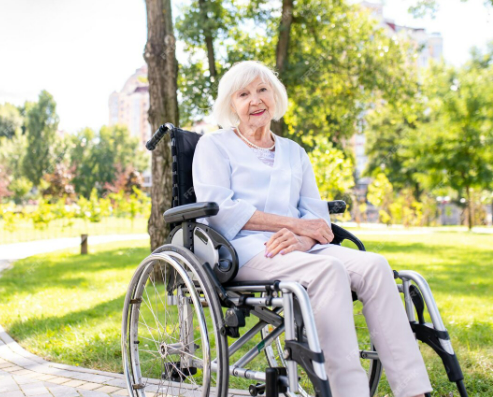
In the United States, the journey to secure Social Security Disability Insurance (SSDI) benefits is often a prolonged and challenging process. As of recent reports, the average processing time for an initial SSDI application is approximately 232 days, or about 7.5 months . During this waiting period, many applicants have little to no income, leaving them vulnerable to housing instability and, in many cases, homelessness.Social Security
A Growing Concern: Older Adults and Homelessness
The intersection of delayed disability benefits and the rising cost of living has contributed to a significant increase in homelessness among older adults. Data from the National Alliance to End Homelessness indicates that more than 146,000 adults over the age of 55 were homeless in recent counts, with 25% of unsheltered homeless individuals being 55 or older . This demographic shift is alarming, as older adults often face additional health challenges and have fewer opportunities to regain stable housing.National Alliance to End Homelessness
Health Implications and Systemic Challenges
Homelessness among older adults is not just a housing issue; it’s a public health crisis. Studies have shown that homeless adults aged 50 years and older have health problems distinct from those of younger homeless adults, including higher rates of medical comorbidities and geriatric conditions . The lack of stable housing exacerbates these health issues, leading to increased hospitalizations and premature mortality.PMC
Furthermore, the delay in processing SSDI applications means that individuals with legitimate disabilities are left without the financial support they need to secure housing and medical care. This gap in support underscores systemic issues within the social safety net that fail to protect the most vulnerable populations.
At Milford Advocacy for the Homeless (MAH), we are witnessing a heartbreaking rise in the number of seniors experiencing homelessness due to serious health problems. and can no longer work because of new or worsening medical conditions — yet have no income while waiting the 8 months or more it typically takes to apply and be approved for disability benefits. These are not isolated cases; they reflect a growing crisis where illness forces individuals into housing instability. The most painful part is knowing that while the system slowly moves, we struggle to find resources that can keep these vulnerable neighbors safely housed during this critical transition from healthy to disabled.
The Path Forward: Addressing the Crisis
To mitigate this growing crisis, several steps can be taken by our government agencies:
- Streamline SSDI Processing: Investing in the Social Security Administration to reduce application processing times can provide timely support to those in need.
- Increase Affordable Housing: Expanding affordable housing options, particularly for low-income and disabled individuals, can prevent homelessness.
- Enhance Support Services: Providing comprehensive support services, including healthcare and case management, can help older adults maintain housing stability.
- Policy Reform: Implementing policy changes that address the root causes of homelessness and improve access to disability benefits is crucial.
Addressing the delays in SSDI processing is not just a matter of administrative efficiency; it’s a critical step in preventing homelessness among older adults. By recognizing and acting on this issue, we can work towards a more equitable and compassionate society.
 Facebook
 Twitter
 Linkedin

